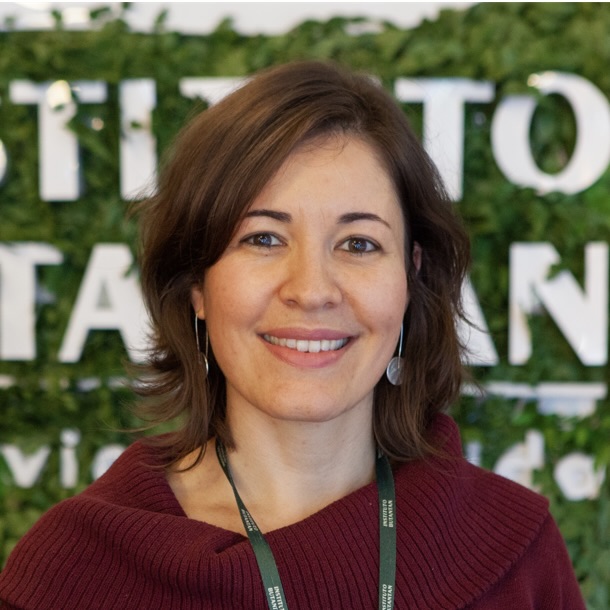
Maria Beatriz Bastos Lucchesi
Pharmacovigilance manager,
Instituto Butantan

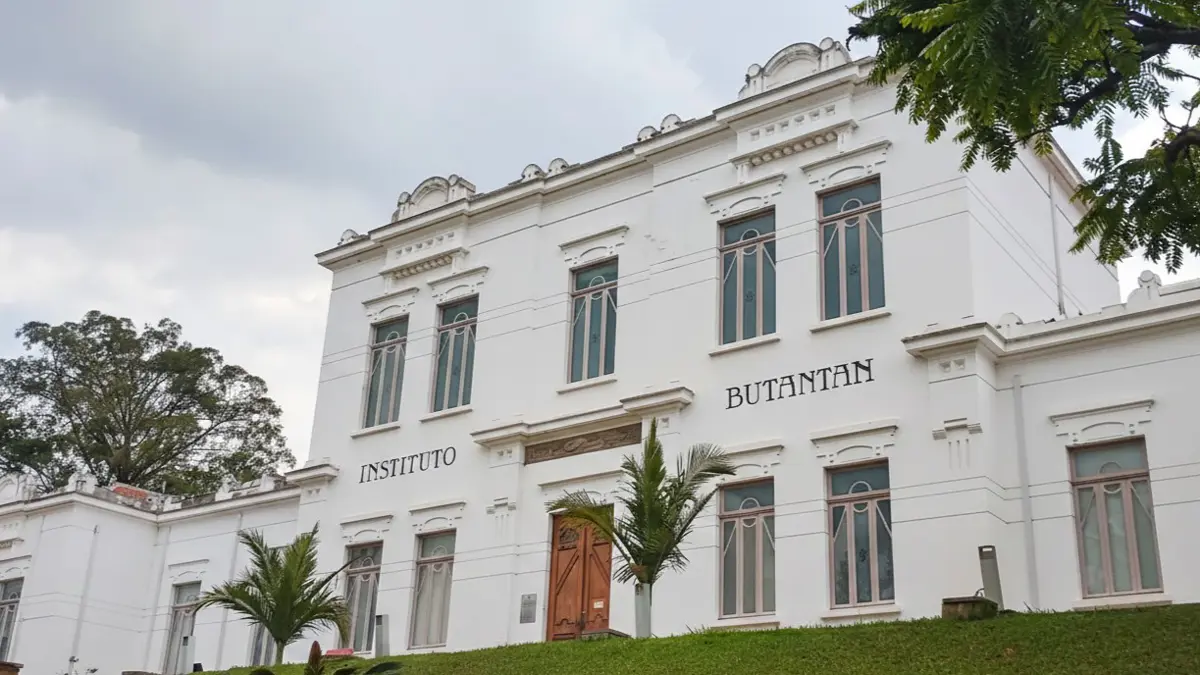
Brazil’s largest immunobiologicals producer shares lessons from integrating WHODrug Global into its clinical and pharmacovigilance workflows at a national scale.
Instituto Butantan was founded in 1901 to help contain an outbreak of bubonic plague at the Santos harbour in São Paulo. Now a public institution linked to the São Paulo State Government, Instituto Butantan is recognised as Brazil’s main manufacturer of vaccines and heterologous immunoglobulins, and is the largest producer of immunobiologicals in Latin America.
The institute supplies the majority of the immunobiologicals (~108 million doses/year) that support the Brazilian national immunisation program, managing more than 10 vaccines, 13 sera, and 1 monoclonal antibody licensed in Brazil. It also conducts basic and applied research on finding solutions to public health challenges and oversees phase 1–3 clinical trials of new products, such as dengue, COVID-19, and influenza vaccines. Likewise, Butantan’s pharmacovigilance system is designed to ensure safety monitoring throughout the entire medicinal product life cycle, from clinical development to post-marketing.
Against this backdrop, in 2022, Butantan, along with other Marketing Authorisation Holders (MAH), held a meeting with representatives from Uppsala Monitoring Centre (UMC) and Anvisa, Brazil´s National Regulatory Agency, to initiate the process of implementing the WHODrug Global dictionary into our respective safety monitoring systems. Discussions involved reviewing existing medicinal product data structures, identifying technical requirements, and outlining a potential roadmap for incorporating WHODrug coding into Butantan’s safety reporting processes. However, by 2023, Butantan was already using WHODrug Insight for coding suspect, concomitant, and adverse event treatment medication from pre- and post-marketing cases in Butantan's pharmacovigilance electronic system.
The institute also began using the artificial intelligence coding tool WHODrug Koda for automated coding of medications used by clinical trial participants, as well as checking incoming clinical data for discrepancies into the Electronic Data Capture (EDC) system.
Since beginning the implementation process in 2022, WHODrug has been fully integrated into Butantan's safety and clinical database, allowing us to meet the regulatory expectations for WHODrug. This implementation process has provided valuable insights into the complexities of managing medication coding within large-scale clinical trials. Since 2023, the institution has encoded more than 20,000 medications across various studies, a high volume of data that highlights the need for streamlined workflows. However, transitioning from manual entry to automated solutions has also been challenging, highlighting areas in which WHODrug Global can improve.
For example, WHODrug Koda has significantly accelerated our medication coding, enabling us to process hundreds of data points in minutes. Our work with WHODrug Koda has identified areas for future enhancements, including expanded support for collaborative, multi-user workflows and additional data management filters, which would further strengthen its value for high-volume operations.
Our experience has also highlighted the value of broader support for the C3 format across the WHODrug toolset, which would benefit many users working at scale. We are sharing these observations with UMC as part of an ongoing and constructive dialogue.
Overall, Butantan’s experience demonstrates that the WHODrug ecosystem provides a strong foundation for large-scale medication coding, and we appreciate UMC’s collaborative approach to continually refining these tools for diverse real-world environments.
By sharing our experience with WHODrug implementation, we aim to encourage other companies in our region who have yet to adopt WHODrug to begin this process, so that we may achieve this international standard while complying with local regulations. Ultimately, expanding the use of these tools across South America and other developing countries will significantly strengthen global pharmacovigilance.
Maria Beatriz Bastos Lucchesi
Pharmacovigilance manager,
Instituto Butantan
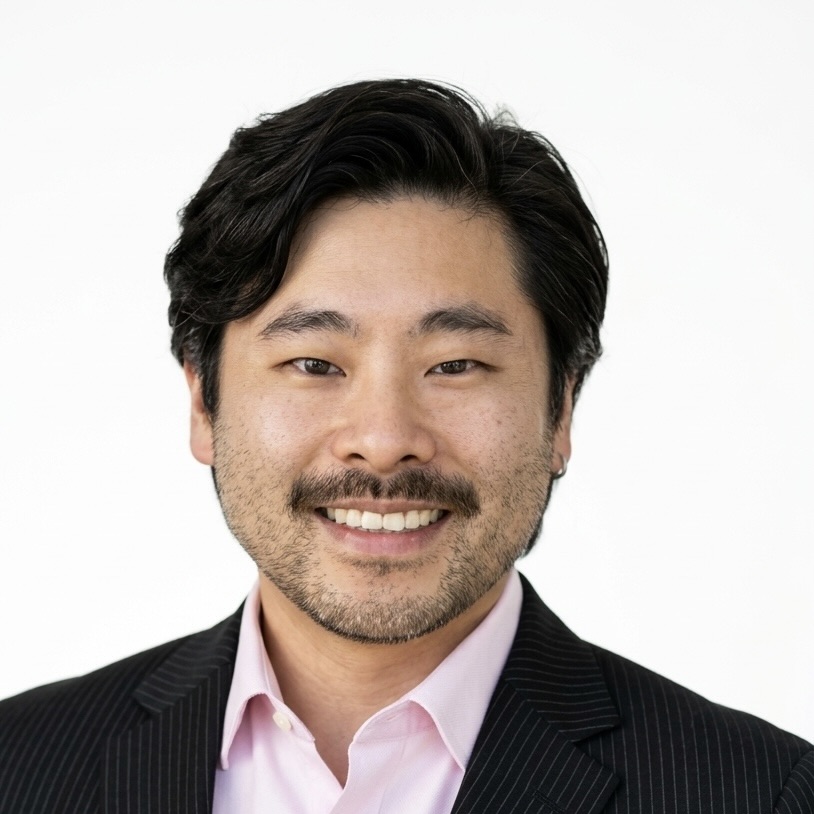
Marcelo Eiji Koike
Pharmacovigilance specialist,
Instituto Butantan
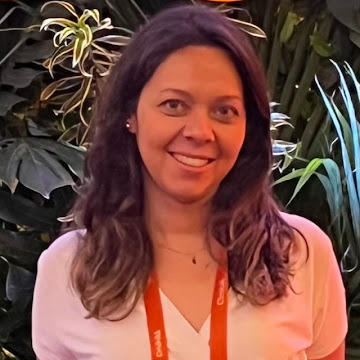
Clarissa Leite Santos
Sr. Pharmacovigilance Analyst,
Instituto Butantan
Community pharmacists in Nigeria are witnessing a troubling rise in dexamethasone misuse for cosmetic weight gain, a hidden public health threat demanding urgent action.
18 June 2026
A yellow fever outbreak in Tolima, Colombia, put the region's pharmacovigilance system to the test. Here's how rigorous vaccine surveillance protected the community.
11 June 2026
Launched at the 2025 Cairo meeting, the new ISoP MENA Chapter merges two former chapters to strengthen medicine safety across the region.
25 June 2026